Oud is a rare and exotic oil from the world of Africa, and its history has been shrouded in mystery for centuries. No one exactly knows when Oud became popular as a perfume, but it was most popular during the reign of Napoleon Bonaparte, who invaded the middle east and spread the practice of using oud in their perfumes. This rare and exotic oil became a symbol of French royalty for quite a while. It soon became even more valuable as it faded out of favor during the Industrial Revolution in England and France. The process of exploration and production became cheaper and easier in the middle east.
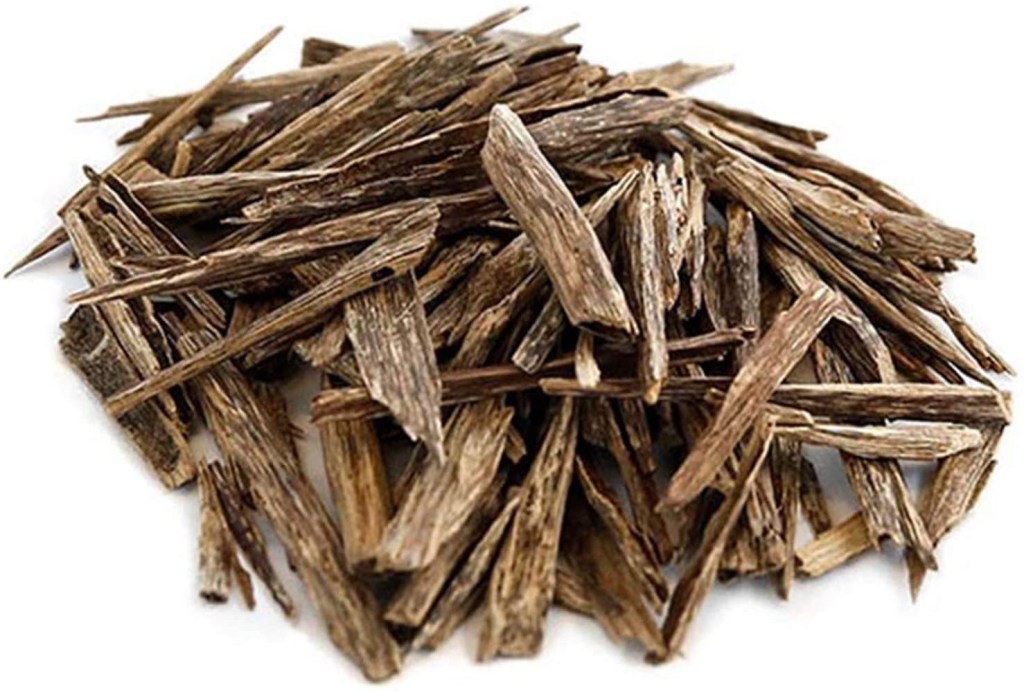
During the late 1800s, when the perfume industry in England began to boom, and the demand for Oud oil grew, the need for Oud rose, and the process of production and distillation became more expensive. It was no longer economically feasible to mass produce the oil. As a result, the middle east began to import Oud oil, and the tree was left in the wild, without any protection or measures to protect it from pests or climate changes. A Dutchman, Frickhard van Eyck, tried to breed a new type of Oud tree which he called “Onychoschizia Oud,” or Oud oil of the unknown tree. This unique oil was said to have similar properties to Oud. It was used as an aphrodisiac by a number of people in the region, including Ismail Merchant, a famous poet, and the writer, Sir Walter Scott, whose wife had a fondness for Oud and other exotic oils.
The distillation industry rejected the name of the new type of Oud, and the name of the species itself was changed to Oudha, which meant “unscrupulous.” It was not long before this scrupulousness was identified as a common factor among the makers of Oudh and other Oud-like perfumes. In a distillation procedure described in the classic work, “The Book of Tobin,” the root, or stem, of the Oud tree ( Agarwood) is heated till its dryness removes the green, glossy leaves, but leaves and stems are not boiled in their place. In other words, there is no burning of the Oud tree during the distillation process but rather the drying-out and disintegration of the essential oil itself, as occurs in distillation. So, in modern times, Oud is simply known as Oud wood.
 Niche-56